
The setup
Sit on the front edge of a chair, wherever you are right now. One hand on your belly, one on your heart. Eyes closed if it helps you focus.
Three minutes, sitting down, wherever you are. After years of dysfunctional breathing we unlock the key to better breathing; the diaphragm.
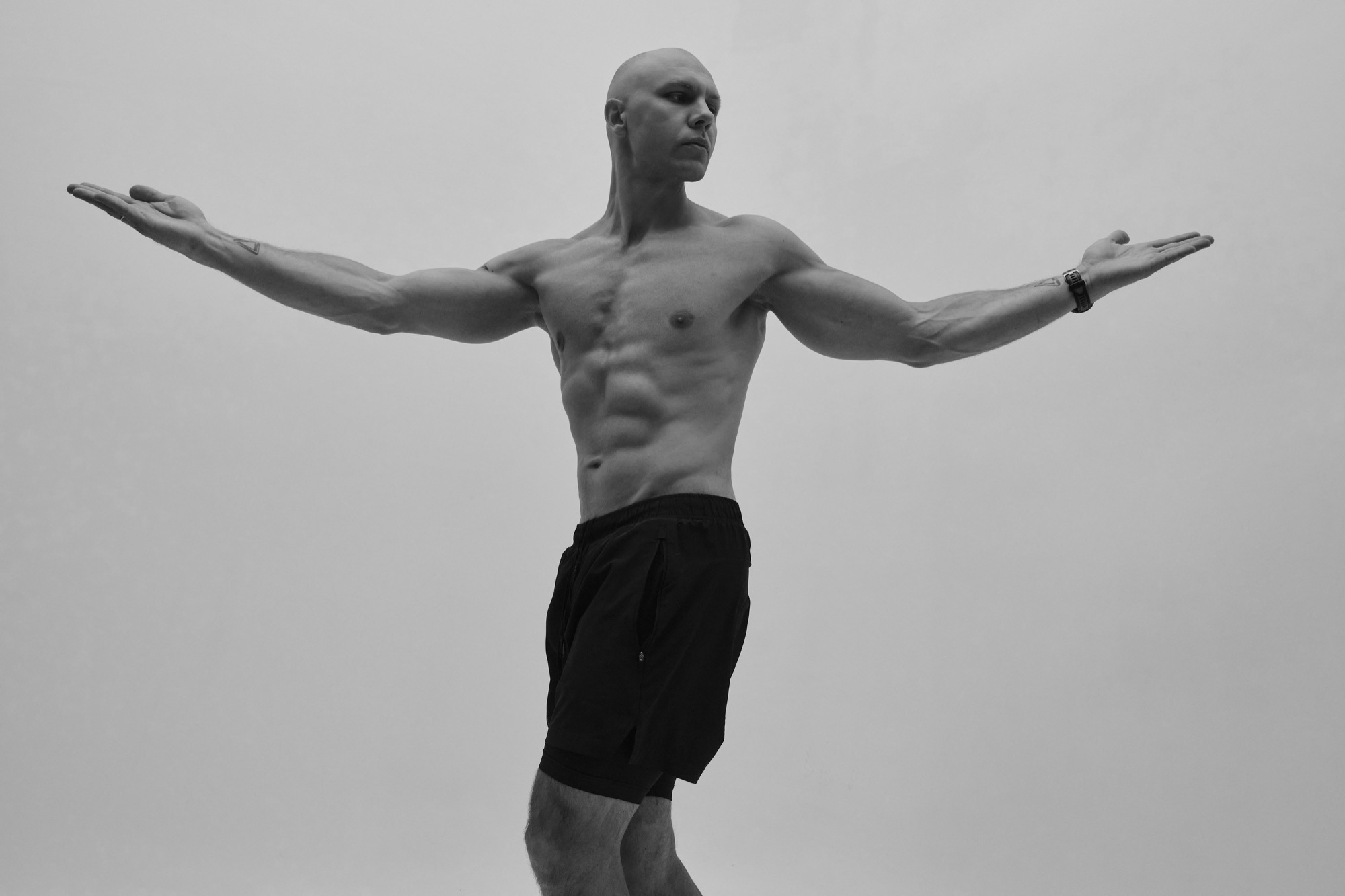
Breath awareness.
Breath retraining.
Three minutes. You’ll feel the difference immediately.
If you’re new to this, start by sitting down for this one.
Not at the wheel, or near water.
Sit on the front edge of a chair, wherever you are right now. One hand on your belly, one on your heart. Eyes closed if it helps you focus.
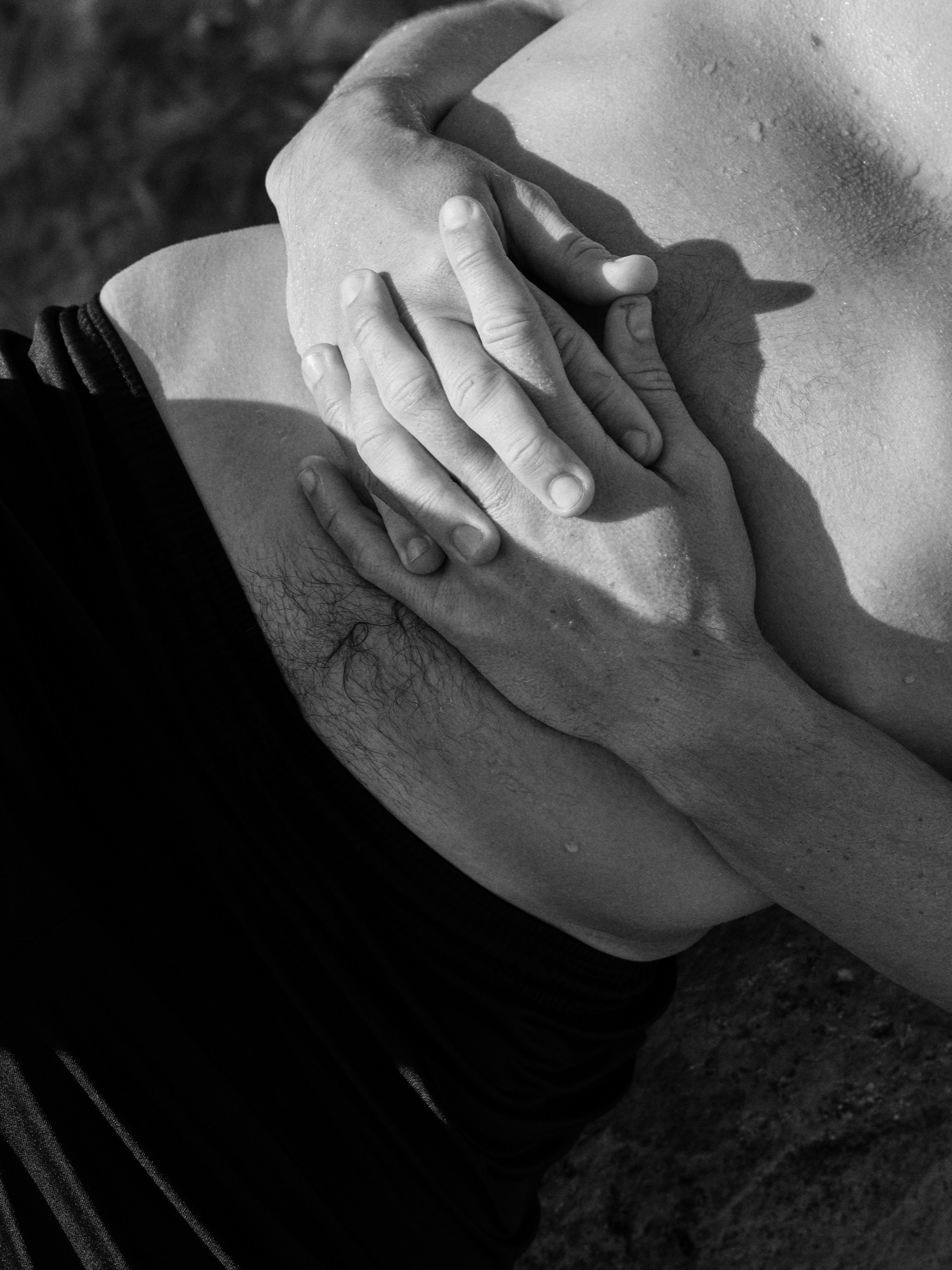
Fully exhale. Push all the air out, squeeze your core, force the air from the bottom of your lungs. This primes the diaphragm. When you’re empty, hold for a second.
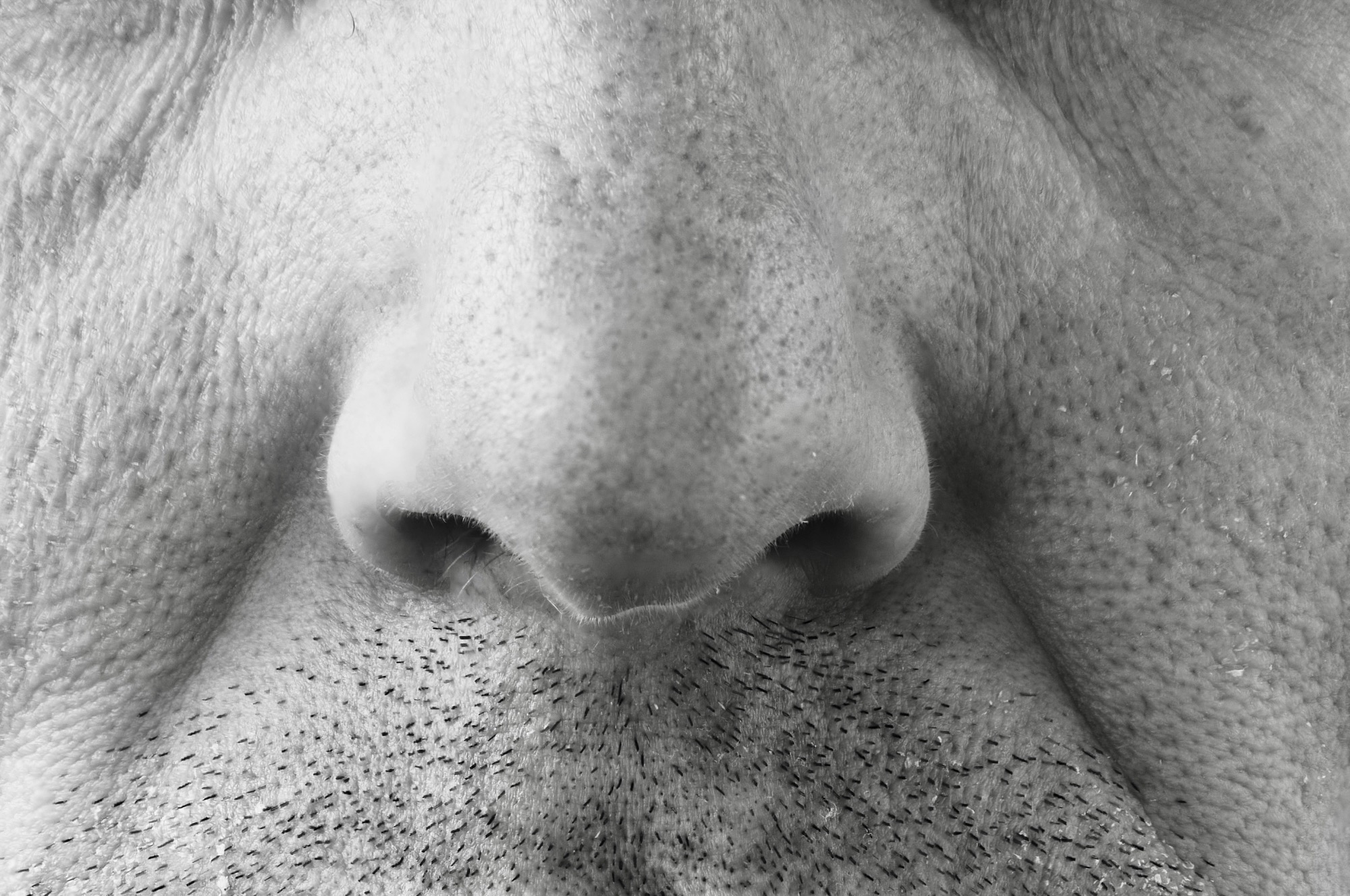
Slowly in through your nose, not your mouth. Deep and light, not forced. Count to four. Feel your belly expand, not your chest.
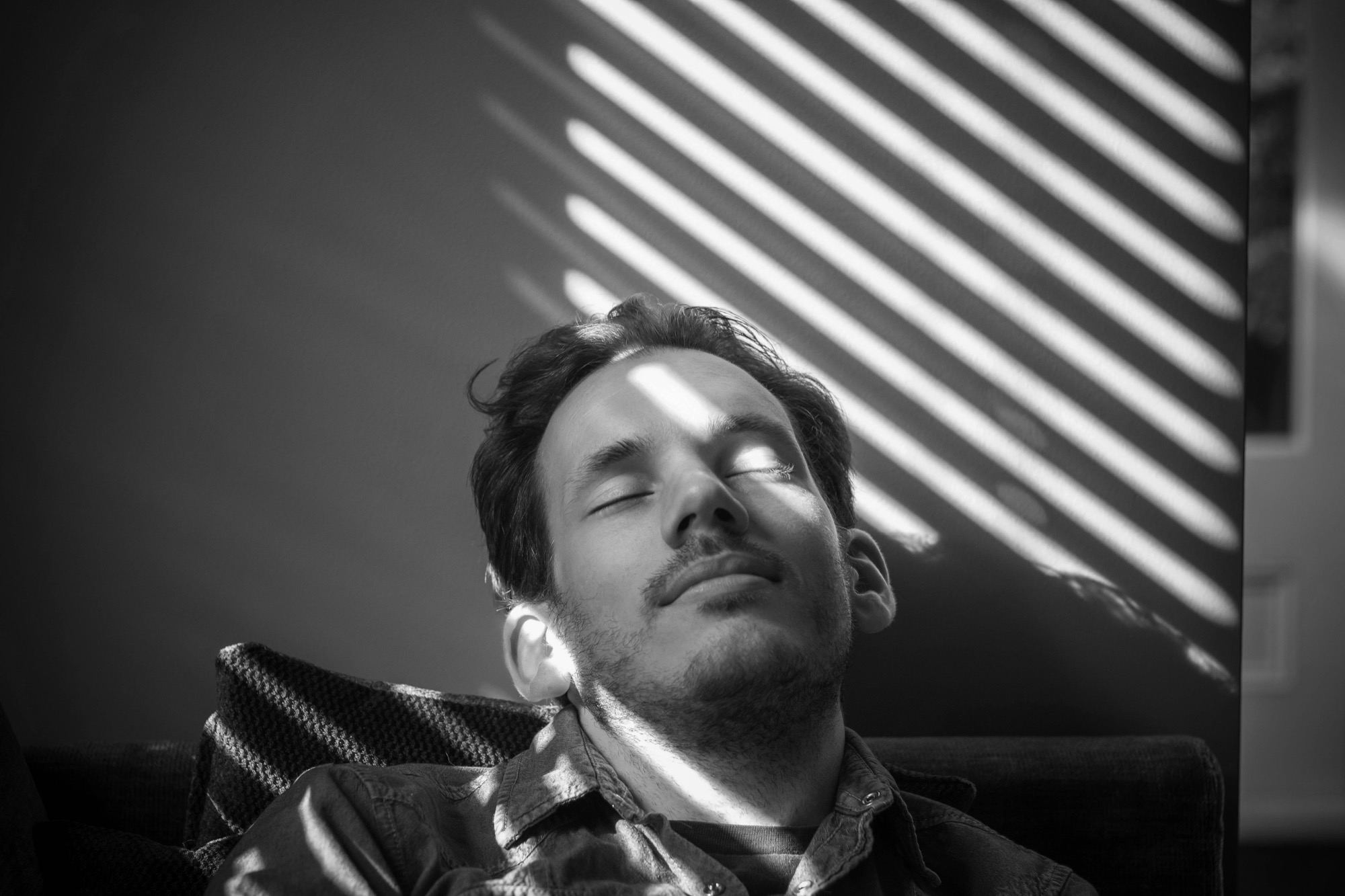
Keep it in. Count to three. Notice the stillness.
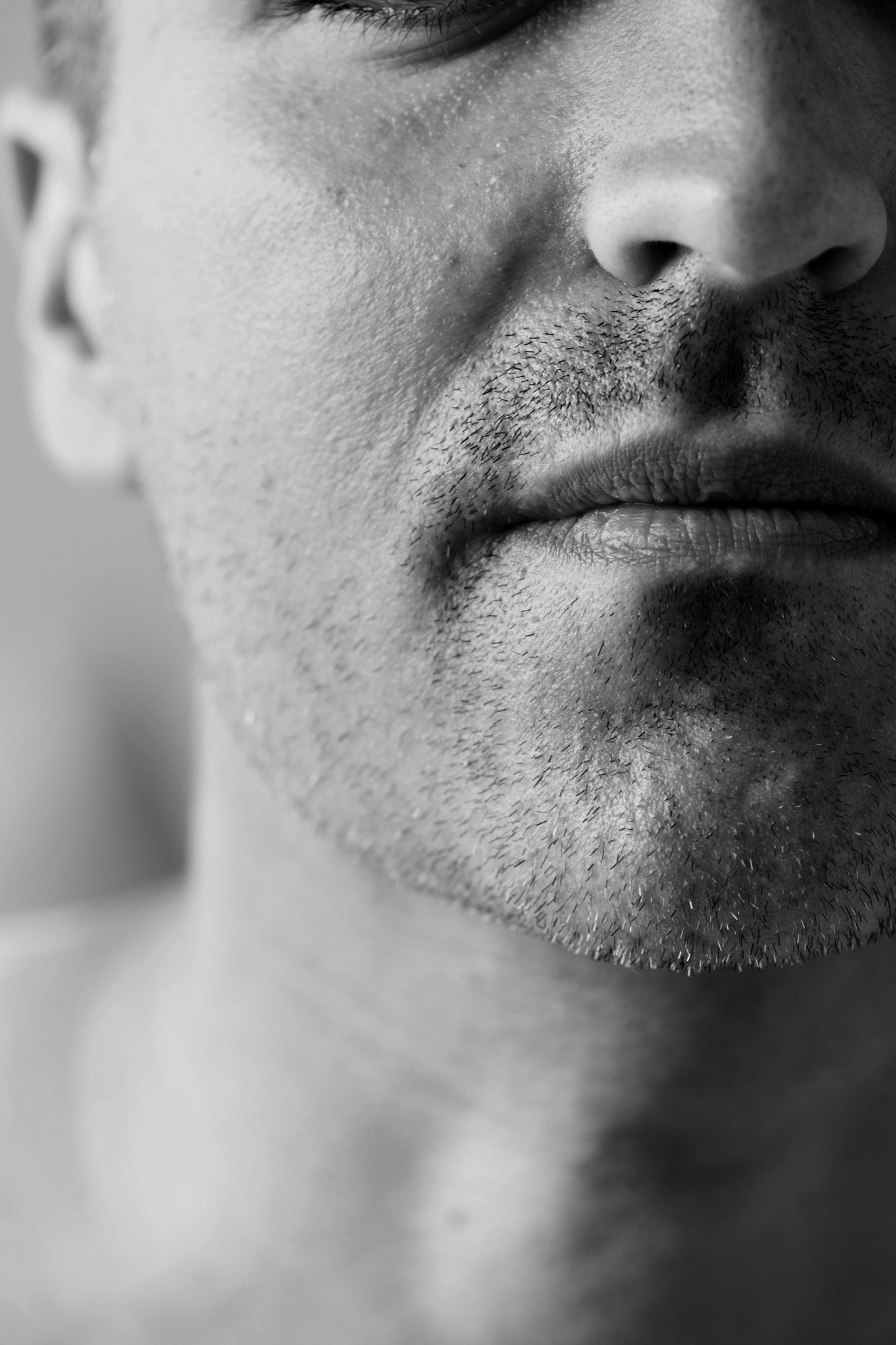
Don’t exhale normally. Hum. A gentle “mmmmm”. The vibration stimulates your vagus nerve, which is the brake on your stress response. Hum for as long as feels natural, then finish the breath out through your nose.

Four times. That’s it. Three minutes, and you are in a different state to the one you started in.
Unlocking or engaging the diaphragm is essential to all functional daily breathing techniques. I find with all of my new clients this is the hardest part to master. Light, slow, deep breaths without engaging the diaphragm are just another form of upper chest breathing, and will not activate your rest and digest state.
In the first thirty seconds, your heart rate drops — you’ll feel it under your hand. Your diaphragm engages. Your shoulders let go.
After one round, breathing gets easier and your head clears a little.
After four rounds, you’re in a different state to the one you started in.
The hum.Vibration stimulates the vagus nerve directly. It’s one of the fastest ways to shift from stressed to settled, and you get there without long breath holds.
Nasal breathing.Slowing the breath down through the nose lets CO2 build back to where it should be, which is what allows oxygen to be released into your tissue. Your nose also produces nitric oxide, which lays flat the inner walls of your blood vessels. Your mouth does neither.
The forced exhale.It wakes up the diaphragm, which is your actual breathing muscle. Most people breathe with their chest, which is tension.
You just proved something. Your nervous system responds to deliberate input, in three minutes, from a chair. The question is what you want to build with that.
you don’t have to do it alone